


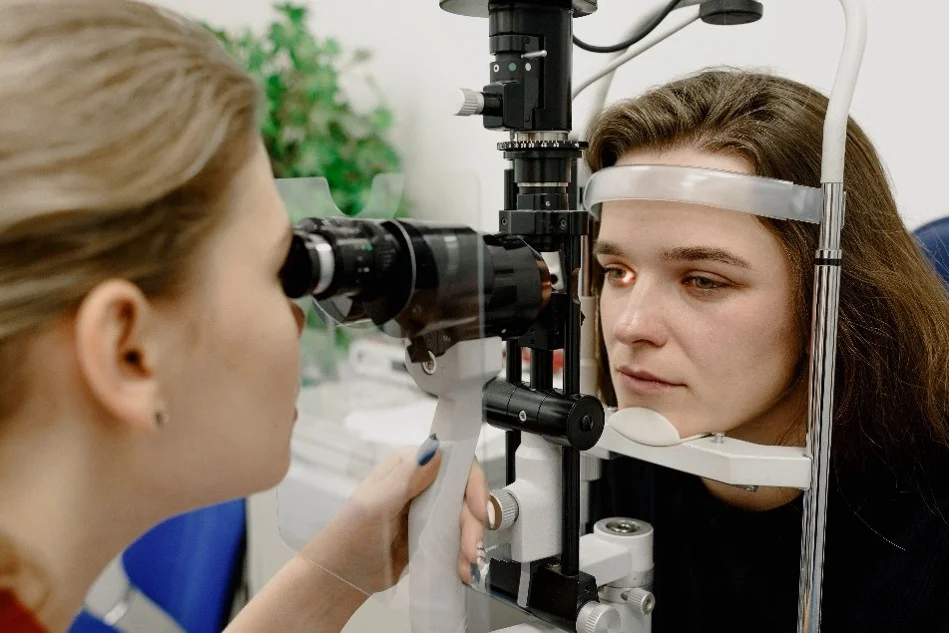
When something goes wrong with your eyesight, the consequences can change your life. If you have suffered avoidable eye damage following medical treatment, or your condition has worsened because of a delayed diagnosis, you may have grounds to make a medical negligence claim.
Our eyesight is something many of us take for granted until a problem arises. Losing some or all of your vision or living with uncertainty about whether your eyesight will deteriorate further, can affect almost every aspect of daily life.
While not every complication can be prevented, there are circumstances where earlier diagnosis, appropriate treatment or better care could have made a real difference.
At MDS, we understand that pursuing a claim can feel daunting. You may be unsure whether mistakes were made, whether your experience amounts to negligence or whether it is even worth seeking legal advice.
Here, we answer some of the most common questions about eye negligence claims and explain how we may be able to help.
When can I make an eye negligence claim?
You may have a claim if a healthcare professional failed to provide an appropriate standard of care and that failure caused avoidable injury or deterioration in your eyesight.
Examples include:
- Delayed diagnosis: A failure to identify conditions such as glaucoma, retinal detachment or other potential sight-threatening problems.
- Surgical errors: Negligent treatment during cataract surgery, laser eye surgery or other ophthalmic procedures such as for a macular hole.
- Missed warning signs: A failure to investigate symptoms, act on test results or refer you to an appropriate specialist.
- Inadequate follow-up: A failure to monitor your condition or respond to signs that your eyesight is deteriorating.
- Treatment complications: A failure to recognise or manage complications appropriately, leading to avoidable damage.
Every case is different. An unexpected outcome does not necessarily mean that negligence occurred, but if you are concerned about the care you received, we are happy to have a no obligation free of charge initial conversation.
Can I claim if a delay in diagnosis caused me to lose my sight?
Potentially, yes. A delay in diagnosing or treating an eye condition can sometimes result in damage that could have been avoided or reduced with timely intervention.
For example, if symptoms of a detached retina were not investigated appropriately, the delay may have affected the prospects of preserving vision.
The important question is whether the care fell below the required standard and whether appropriate action would probably have prevented or reduced the harm.
Independent medical experts can help establish what should have happened and whether the outcome could have been different.
What if I lost my sight following eye surgery?
Complications can occur even when surgery is performed properly. However, if negligent treatment, an avoidable surgical error or a failure to manage complications caused additional damage, there may be grounds for a medical negligence claim.
A claim may consider the treatment provided, the risks explained before surgery, how complications were managed and whether appropriate aftercare was arranged.
What compensation could I receive?
Eye injuries can have consequences that extend well beyond the injury itself. Depending on the circumstances, compensation may cover:
- Pain, suffering and the impact on your quality of life.
- Lost earnings and reduced future earning capacity.
- Care and assistance with everyday activities.
- Rehabilitation, treatment and visual aids.
- Adapted accommodation.
- Travel expenses.
Where sight loss is permanent, it is particularly important to consider the longer-term impact on your independence, employment, mobility and future care needs.
The value of a claim depends on the individual circumstances and supporting evidence.
How long do I have to make a claim?
In most medical negligence cases, court proceedings must be started within three years of:
- The date the negligence occurred, or
- The date you first became aware that negligent treatment may have caused your injury.
Different rules can apply to:
- Children
- Individuals lacking mental capacity
- Fatal negligence claims
As limitation issues can be complex, it is advisable to seek legal advice as soon as possible.
Where can you find support?
There are charities and organisations that support people after vision loss. Contact them for advice and support.

Quote from Kirsty Dakin, Senior Associate and Specialist Medical Negligence Solicitor MDS, said “Sight loss can have a profound impact on every aspect of a person’s life, from their independence and confidence to their relationships and ability to work. While not every poor outcome is the result of negligence, it is important that people have the opportunity to understand whether their care could have been better and whether avoidable harm could have been prevented. At MDS, we want people to feel able to ask questions and seek advice without feeling overwhelmed or uncertain about where to turn. Our aim is to provide clear, compassionate guidance so that people can make informed decisions about their next steps.”


